
Exploring the Hygiene Hypothesis How Cleanliness Impacts Immune Health
The hygiene hypothesis proposes that our hyper-clean modern environment, by limiting exposure to beneficial microbes early in life, has inadvertently led to improperly trained immune systems, causing a surge in allergies and autoimmune diseases. The solution isn’t less hygiene, but smarter hygiene that protects us from pathogens while allowing exposure to beneficial microbes.
Table of Content
| What is Hygiene Hypothesis |
| How Germs Train Our Immune Defenses |
| Let them Play in the Dirt: The Science Behind Immune Development |
| Research on the Hygiene Hypothesis, What Science Reveals |
| Rising Asthma in Kids |
What is Hygiene Hypothesis
Cleaning protect us from many infections and communicable diseases. However, sometimes if this cleaning becomes excessive, it does not save us from illness but instead makes us victims of serious diseases. To understand this, you first need to know what pathogens are. Bacteria, Viruses, Parasites, or Fungi—any such agents that can cause infections in our body in any way—are called pathogens. In 1989, the famous immunologist David Strachan explained that children who grow up in an extremely hyper-clean environment have less exposure to these pathogenic microorganisms. As a result, their immune systems are negatively affected in some way. As a result, their immune systems do not develop properly, and these same children later end up suffering from allergies, autoimmune disorders, and infectious diseases. Dr. David explained that if we want to reduce this risk in children, it is very important to expose them to certain infections during their early years. We might think that eliminating all bacteria, viruses, and microorganisms from our environment will make us healthier—but that’s not the case. He named this entire theory the ‘Hygiene Hypothesis.
How Germs Train Our Immune Defenses
Our immune system is essentially a type of defense mechanism. Just as a child needs proper nutrition and a healthy environment for growth, our immune system also requires regular exposure to microorganisms in order to develop properly. Our immune system contains two types of cells called TH1 cells and TH2 cells, which are part of the T-helper cells. Whenever any disease-causing agent (pathogen) tries to enter our body—whether it’s bacteria, viruses, or other harmful microorganisms—our TH1 cells get activated. These cells release a protein called cytokines, which signals the immune system that a foreign invader has entered and could cause infection. In response, our body produces antibodies to fight the pathogen and tries to neutralize it. The best part? During this process, our immune system creates a ‘memory,’ so if the same microorganism attacks again in the future, the body can recognize and combat it more effectively.
But here’s what happens: When we follow extreme hygiene protocols or maintain an overly sterile environment, our bodies don’t get enough exposure to microorganisms. As a result, our TH1 cells remain underactive, and instead, our TH2 cells become hyperactive. This makes the immune system oversensitive, reacting aggressively to harmless substances.
Let them Play in the Dirt: The Science Behind Immune Development
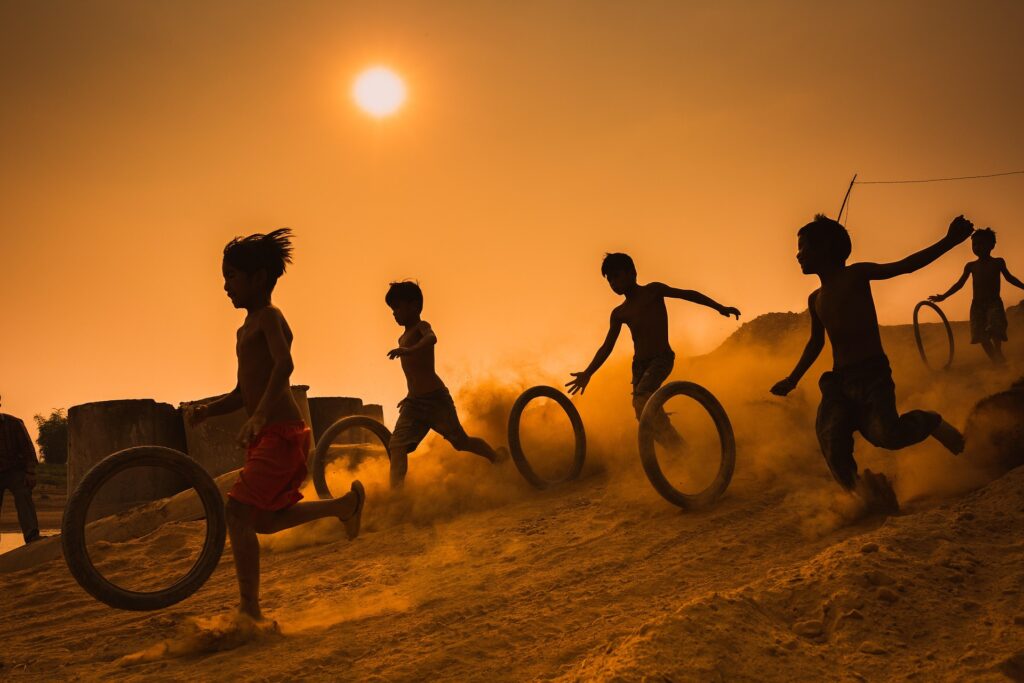
Look, I don’t mean at all that you should neglect cleanliness or ignore hygiene, but give your children a little exposure—let them go out to play, let them interact with people, let them play in the dirt. This shift towards excessive cleanliness is inviting not just allergies and autoimmune diseases, but many other inflammatory diseases like Type 1 diabetes, rheumatoid arthritis, and even autism—one of the most probable causes could be the hygiene hypothesis.
Nowadays, we see a lot of helminth therapy being used in autism cases, where children are intentionally exposed to certain parasites to strengthen their immune system. Explaining the hygiene hypothesis, doctors have noted that allergies and autoimmune diseases are less common in countries where parasitic organisms, such as helminths, are more prevalent. These parasites help regulate the immune system, reducing the host’s sensitivity to allergic and autoimmune conditions.
Therefore, parents should understand that if their children occasionally encounter dirt or interact with more people, it can actually benefit their immunity. This process is colloquially referred to as “educating the immune system.” Keeping all this in mind, it’s important to realize that excessive caution regarding cleanliness can also make you sick.
Research on the Hygiene Hypothesis, What Science Reveals
Professor Jonathan Hourihane of RCSI University of Medicine and Health Sciences in Ireland has stated that one of the reasons for the increase in cases of eczema, asthma, hay fever, and food allergies over the last 30 years is reduced exposure to germs among people. He also mentioned that asthma is considered the most common chronic disease in the modern world.
According to the U.S. Food and Drug Administration (FDA), one explanation for this trend is the hygiene hypothesis. Research has found that young children in large families have fewer allergies because they are exposed to bacteria from their siblings early on, which helps them develop immunity.
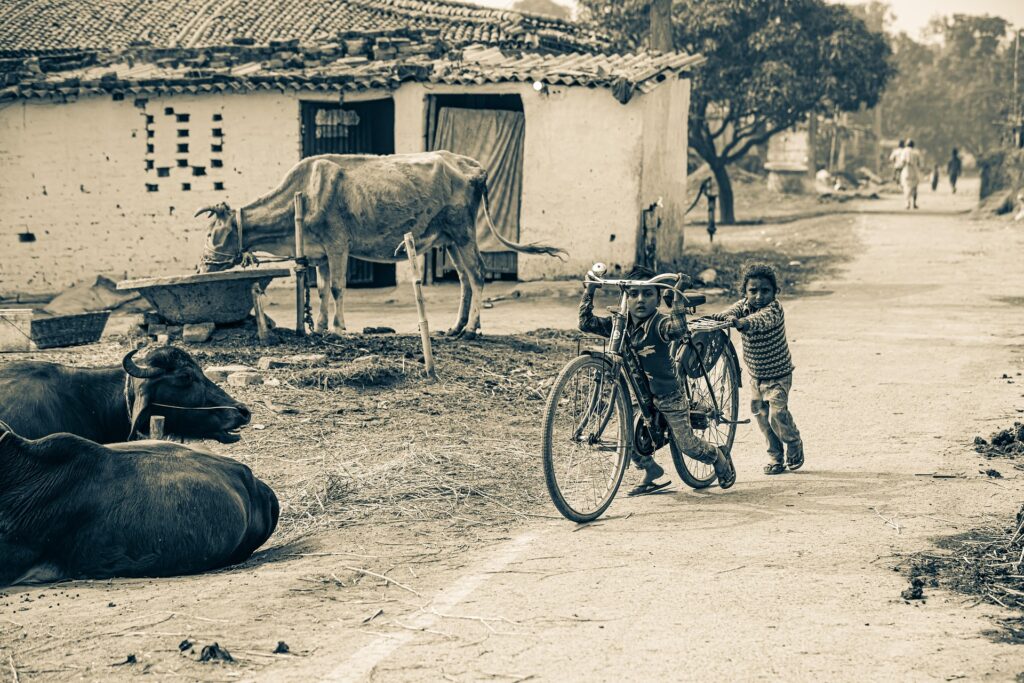
According to Global Evidence European researc Farm Studies says Children raised on farms with livestock have 50% lower allergy rates than urban peers.
According to Indian Research Insights ICMR surveys and AIIMS microbiome studies – Urban children have 2-3x higher asthma rates than rural counterparts . Traditional diets (fermented foods, unprocessed grains) and rural lifestyles boost protective gut bacteria.
Rising Asthma in Kids
You might have noticed that some children fall sick at the slightest weather change or develop breathing difficulties (like asthma) after minor exposure to dust or pollen. Many kids today suffer from food allergies—to fish, eggs, peanuts, etc. Essentially, the body starts reacting to things it normally shouldn’t, all because of an imbalanced immune response caused by lack of early microbial exposure. If we talk about asthma, as development progresses, asthma is increasing Why?
Because of the hygiene hypothesis. In the old days, young children used to play in dirt—like in fields, parks, and outdoor games—which was more common back then because there were no video games, mobile phones, or laptops. Even if parents had them, they were mostly for official work. Since children engaged more in outdoor activities, they were exposed to more microbes, which is why asthma was much less common in kids.
However, the hygiene hypothesis suggests that as we advance and focus more on cleanliness, children are not exposed to various triggers from an early age. As a result, their natural immunity does not develop properly, which is also contributing to the rise in asthma cases.